The Seven Houses of the Week
From a Sumerian goddess to the kings of the jinn: how the seven days came to be
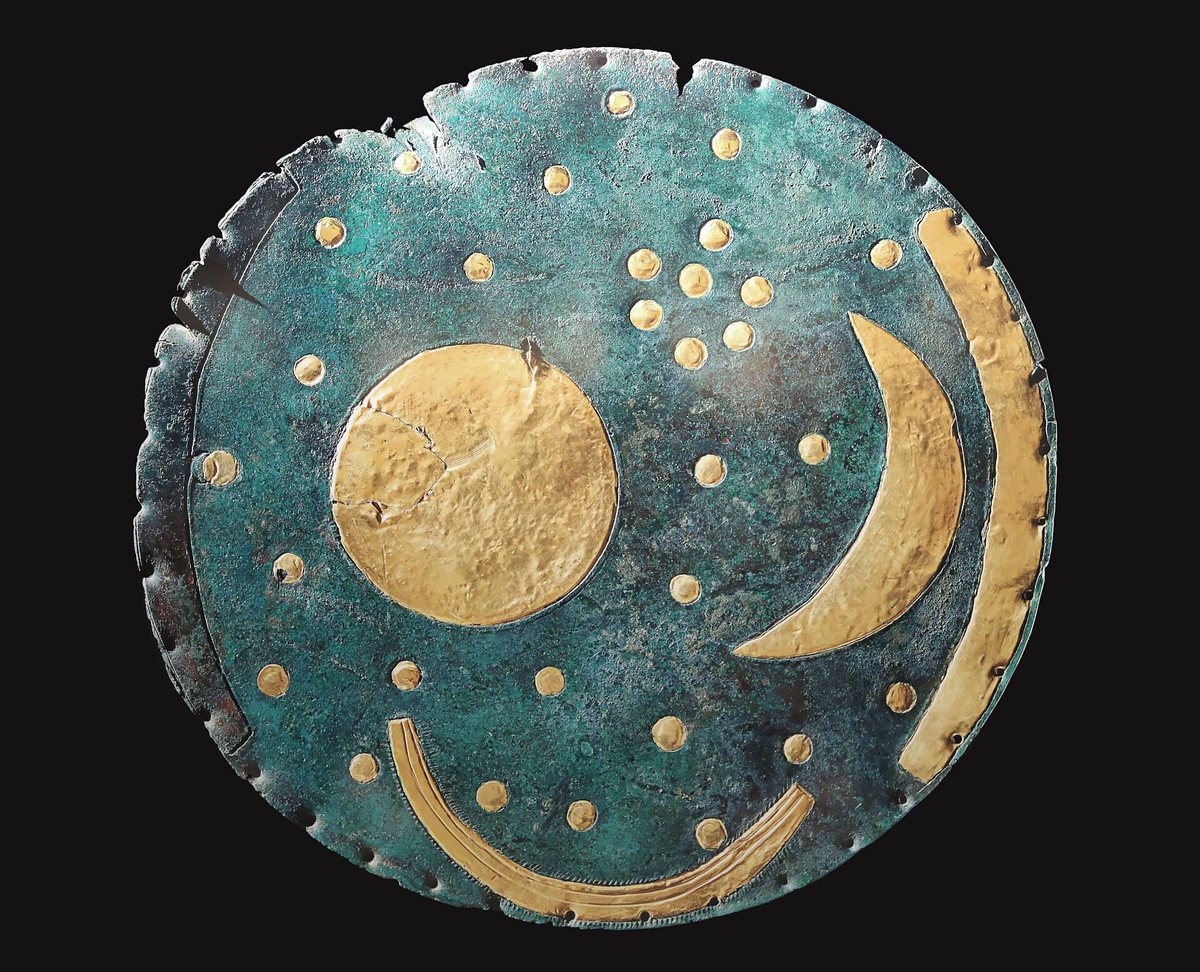
Every person alive runs their life inside a piece of ancient astronomy and almost none of them know it. The week on your calendar is not a natural thing. It was built, out of the seven lights that move against the stars: the Sun, the Moon, and the five planets visible to the naked eye. Cultures on three continents took that machine apart and rebuilt it with their own gods inside, and at the far end of the road a book of wonders in Baghdad set a king of the jinn on every day of it. The parts are still turning. You used one this morning.
This is how the days of the week came to be, as far back as the evidence can carry it — and the evidence can carry it further in pieces than most people expect, and not as far in others as most people claim.
I. The ingredients are Sumerian
The deepest ingredient that can be traced is an identity: Venus is Inanna. Offering lists from the Ur III period, around 2100 to 2000 BCE, name the Venus goddess Ninsi'anna, and an inscription of King Amar-Su'en addresses Inanna under Ninsi'anna's name — the two were already being treated as one goddess, though their cults stayed separate for centuries after. Inanna's link with Venus is older than the lists: it reaches back to the Uruk period. The Sun was Utu, the Moon was Nanna — Sumerian gods in a Sumerian sky. When Babylon rose, it did not invent a new heaven. It took Sumer's gods, Sumer's star names, and Sumer's calendar, and built its astronomy on top of them. The goddess whose star passed from Inanna to Ishtar, was matched in Greece with Aphrodite and in Rome with Venus, and was translated in the north as the Germanic goddess of the sixth day, is standing in the record four thousand years ago. Her day is now called Friday.
There were seven-day observances in that world, and they should be named for what they are. When Gudea of Lagash dedicated the Eninnu temple around 2125 BCE (Middle Chronology), the festival ran seven days, and for those seven days slave and mistress were equal — it is written on his cylinders and on his statue. Temples held rites on the seventh day of the month. These were observances tied to the moon and the festival calendar. They were not a week. No Sumerian tablet names a weekday. Outside Venus, no planet has a clearly attested identity in Sumerian sources of its own — the other names, like MUL.BABBAR for Jupiter, appear as Sumerian logograms inside later Babylonian texts: script fossils, not Sumerian astronomy. To talk about planet names, we have to start from the Babylonians, not the Sumerians. Sumer supplied the gods and the star lore. The system was built later, by other hands.
II. Babylon builds the sky
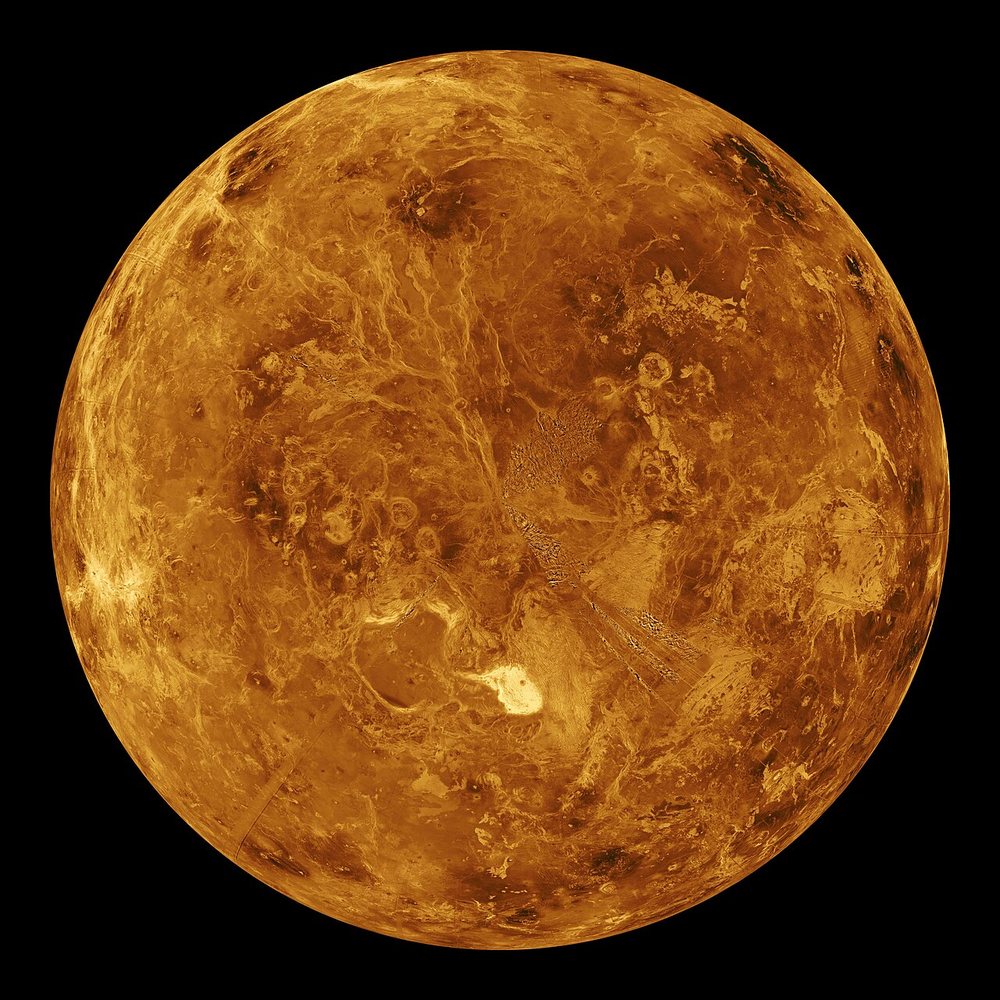
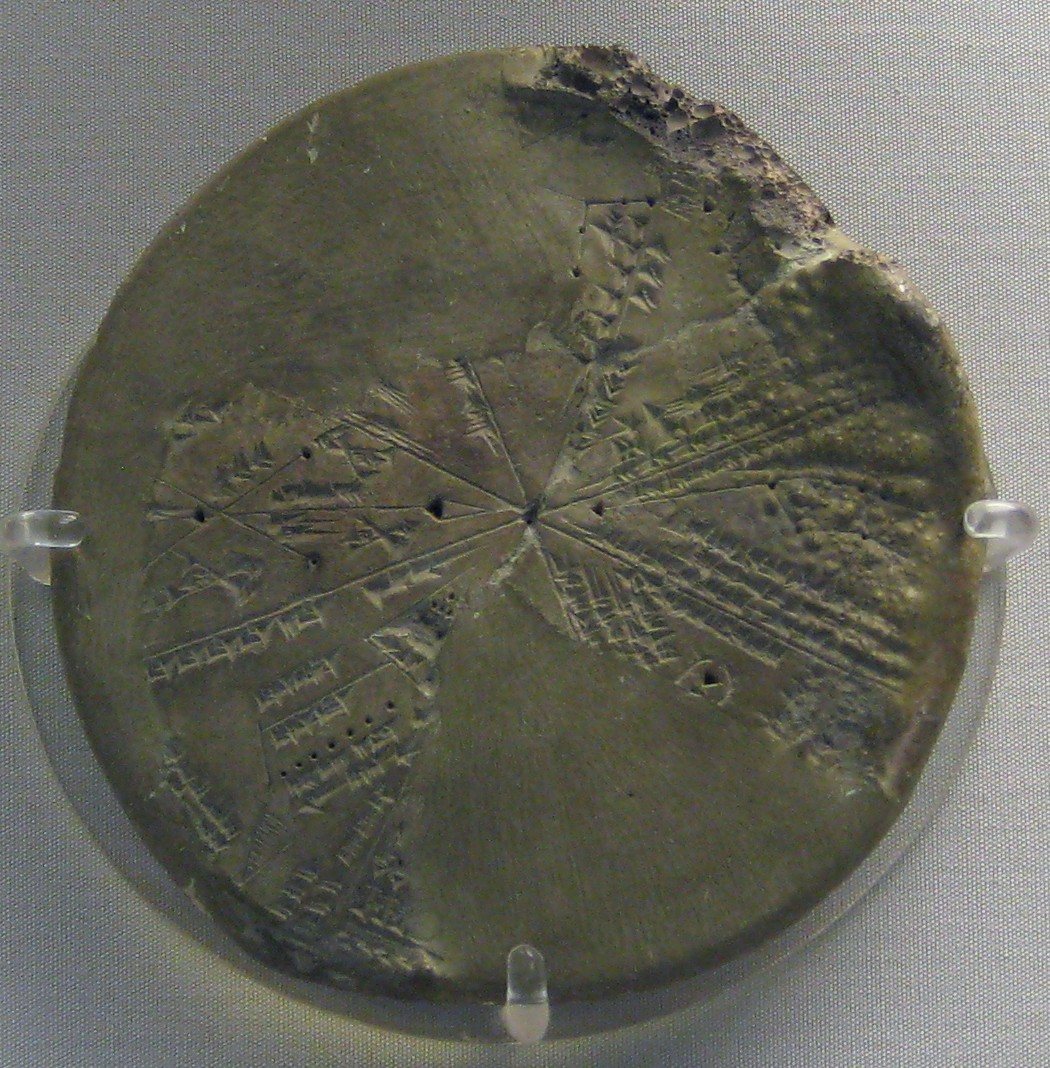
Babylonian astronomers were the most patient sky-watchers of the ancient world. Their great star compendium, MUL.APIN, compiled by about 1000 BCE, treats the Sun, the Moon, and the five planets as one class of lights travelling the Moon's road. Their omen series ran to some seventy tablets. The observations on the Venus tablet reach back to the 17th century BCE on the standard chronology, and from the mid-eighth century BCE, on the usual reckoning — the oldest diary that survives is from 652 BCE — they kept systematic nightly diaries of the sky, centuries of them. These were not primitive people guessing at the dark. They were running the longest data-collection project of the ancient world, and the gods of the planets were part of its order: Venus was Ishtar, Jupiter was Marduk, Mars was Nergal, and the others carried their own divine names and natures, sometimes several to a planet.
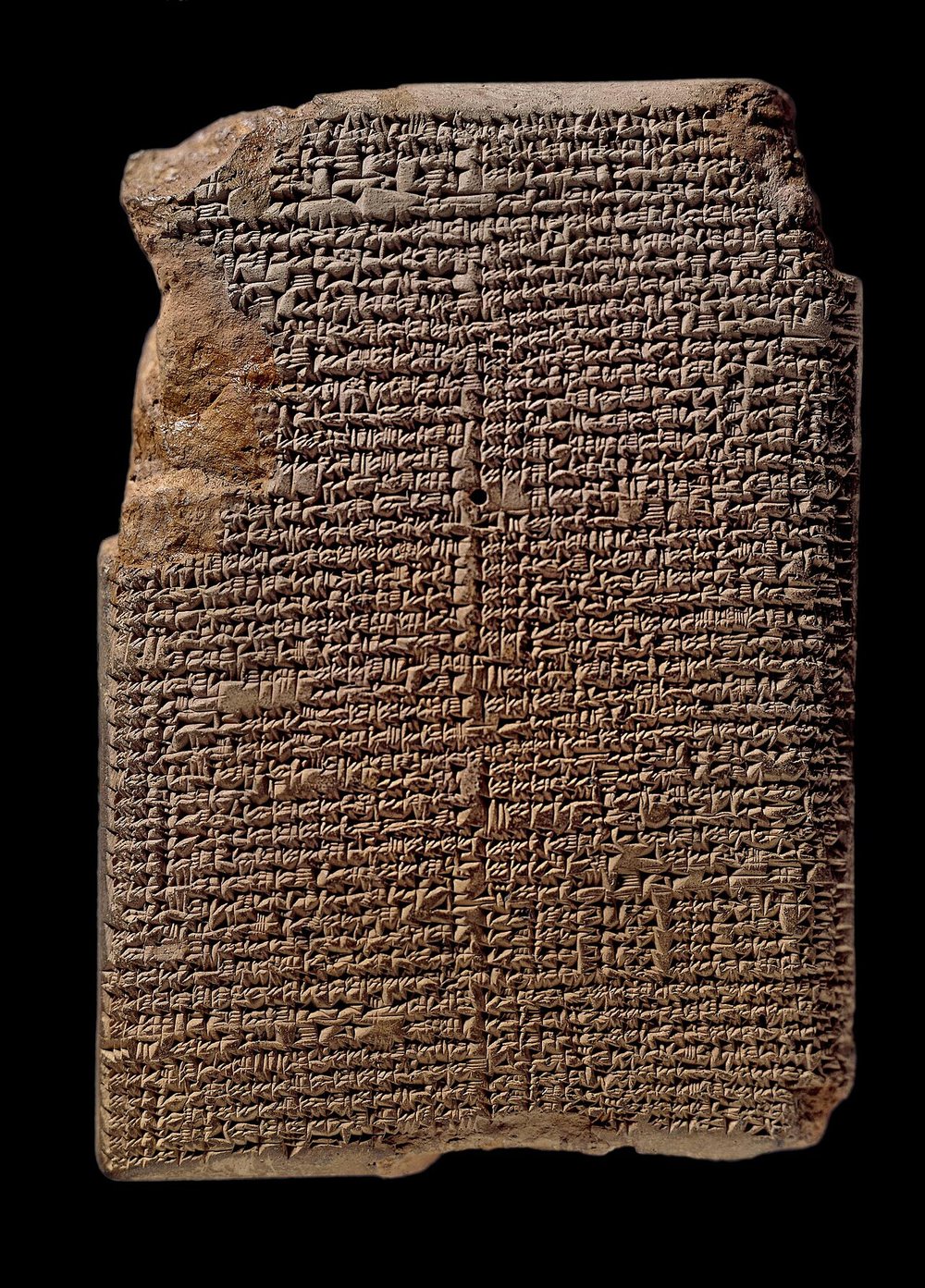
Babylon also had its sevens. In its almanacs, the days of the month when the moon stood at its quarters — the 7th, 14th, 21st, and 28th, with the 19th counted as the forty-ninth day from the start of the month before — were marked as dangerous days, with restrictions on what the king, the diviner, and the physician could do. But those sevens belonged to the moon. They reset with every new month, and the gap after the 28th ran eight or nine days until the next 7th came around. It is a rhythm, not a week. Across the entire cuneiform record, no text names a weekday, and no text gives a planet a day. Babylon supplied the planets, their periods, their gods, and their lore. The week itself is not there.
III. The other ingredient: a week with no sky in it
The second ingredient came from the Jews, and it is a different kind of thing entirely. The Jewish week has no planets, no gods, and no names — the days are numbered, and the seventh is the Sabbath. It does not follow the moon. Scholars still argue over whether the earliest Sabbath was once tied to the moon's phases; the cycle as it ran was continuous and moon-free. It simply runs, seven days on, seven days on, unbroken, through months and years alike. By the first century CE Josephus could write that there was no city of Greeks or barbarians to which the custom of resting on the seventh day had not spread. Two sevens now existed side by side in the same world: a continuous cycle with no astronomy in it, and an astronomy with no continuous cycle. The week we live in is what happened when they met.
IV. The invention
The machine that joined them was built out of parts from three cultures. The planetary hours are a Hellenistic device, probably of the second century BCE. Where the week built from them first ran is disputed: the traditional answer is Egypt — Dio credits the Egyptians — but every early piece of evidence comes from Italy, and some historians argue the week took shape there. Egypt contributed the division of day and night into twelve hours each, counted since about 2100 BCE by the star clocks painted on coffin lids — though Egypt's own week was ten days long; they gave the hours, not the week. Babylon contributed the planets and their periods. The astrologers took them in their order of slowness — Saturn, Jupiter, Mars, Sun, Venus, Mercury, Moon — an order later called Chaldean, though no Babylonian text uses it; the name stuck because Latin writers used "Chaldean" to mean an astrologer. Greek-speaking astrologers put the two together and made the planetary hours: give each hour of the day to a planet in that order, and name each day for the planet that holds its first hour.
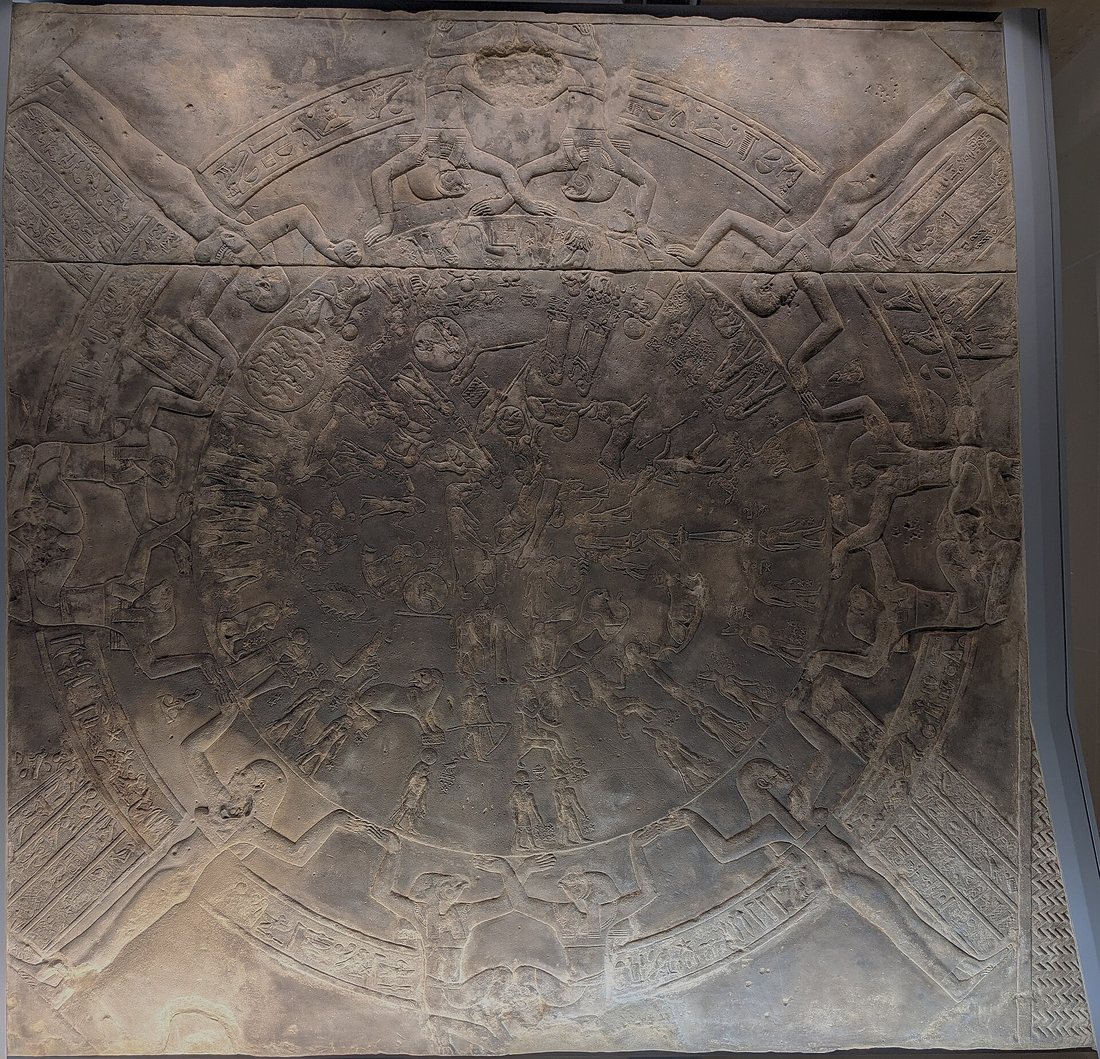
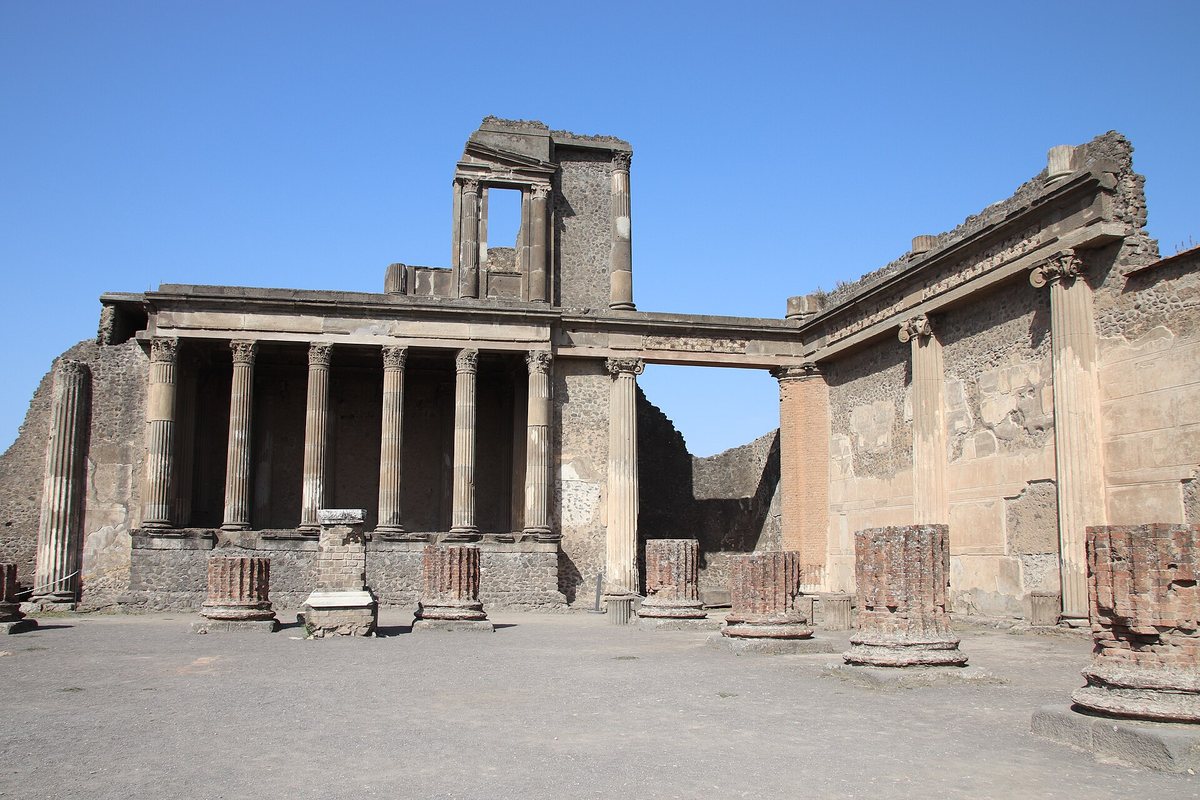
The rest is arithmetic, and it still works. A day has twenty-four hours, and twenty-four steps through a cycle of seven lands three places further on. So each day's ruler steps three down the order — every fourth name — and the sequence that falls out is Saturn, Sun, Moon, Mars, Mercury, Jupiter, Venus. That is why Sunday follows Saturday and Tuesday follows Monday, in that order and no other. Dio Cassius set the mechanism down in the third century CE, alongside a second, musical explanation of the order; the astrologer Vettius Valens was already working with day-rulers a century before him, and by Dio's time the custom had spread through the whole world. The earliest surviving date written down together with its weekday is a wall graffito at Pompeii: the 6th of February, 60 CE, paired with the day of the Sun. By modern retrocalculation that date fell on a Wednesday. One proposed explanation runs through the astrologers' sunset reckoning: the first hour after sunset on that Wednesday belonged to the Sun. Others think the week had simply not been standardised yet. Either way, a planetary weekday was in everyday use at Pompeii by 60 CE. Another Pompeii wall lists the whole set under a heading that says it plainly: days of the gods. Rome's own older week, the eight-day market cycle, was still scratched on walls beside the new one — and lost. By the first and second centuries the Jewish Sabbath was being called Saturn's day by Roman writers, because in the merged week that is where it fell. In 321 CE the emperor Constantine ordered rest on "the venerable day of the Sun" — farm work in the country excepted — and the state put its seal on the merged week under its planetary name.
V. Why seven
People looking at this story often ask why every culture seems to arrive at seven. The true answer has two halves, and they should not be mixed.
The sky forces one seven on everyone. There are exactly seven lights that wander against the fixed stars and can be seen without a telescope, and every culture that watched carefully found the same seven, because there are no others to find. China found them independently and called them the seven luminaries. That seven is astronomy, and it is the same in every sky on earth.
The seven days are a different matter. A seven-day cycle is not universal, and most of the world did not have one. Egypt ran ten days. Rome ran eight. China ran ten. The Igbo ran four, and their name for the seven-day week translates as "church week" — they know where they got it. Java still runs a five-day market week beside the imported seven. The moon's quarters, at about seven days and a bit, suggested sevens to Babylon without ever breaking free of the month. In modern times France legislated a ten-day week in 1793, abandoned it for Sunday rest in 1802, and scrapped the whole calendar from 1806; the Soviet Union tried five-day and six-day weeks between 1929 and 1940 and gave those up too. A week is a coordination machine, and once one is running across a whole civilisation, it is nearly impossible to replace. We arrive at seven planets no matter what. The planetary week was assembled once — a Jewish seven-day cycle married to Greek planetary hours — and carried, by empire, by religion, and by the simple fact that everyone else was already using them.
VI. The re-skinning
What happened next is the pattern that runs through the whole story: the planet stays, and the god is swapped for the local equivalent. The Greeks had already done it to Babylon, laying their gods over the older planet-gods by matching their functions — the love goddess onto Venus's star, the war god onto the red one. Rome took the Greek god-names as the planets' own names, and that is what made the weekday names possible: a day could now be called the day of Mars, of Mercury, of Jupiter, of Venus. When the system reached the Germanic peoples, they did exactly what everyone before them had done. They kept the planets and the order, and they put their own gods in.
Sunday and Monday needed no gods — the Sun and the Moon were simply translated. The day of Mars became the day of Týr, the Germanic war god. The day of Mercury became the day of Odin: Tacitus, writing around 98 CE, already reports that the Germans chiefly worship the god the Romans called Mercury, and no Germanic god but Odin fits the Roman habit of seeing Mercury in a wandering, death-dealing, all-knowing traveller. The day of Jupiter became the day of Thor — the strongest fit of the set, since Thor's name means thunder, and later writers likened him to Jove outright (an older Roman matching had paired the same god with Hercules — the swapping was never tidy). The day of Venus became the day of Frigg, whose name the West Germanic weekday names carry; in Old Norse the day is also tied to Freyja, and whether Frigg and Freyja were one goddess or two is a question the scholarship has not settled, and it is left open here. Saturday broke the pattern. English kept the Roman god outright — Saturn is the only one left standing in the English week — while the Norse skipped the god entirely and named the day for the week's bath: laugardagr, washing day, a word still in daily use in Iceland.
One thing has to be said straight, because it is where retellings usually cheat. The Germanic gods in the weekday names are old and genuinely Germanic. The week they were fitted into is Rome's. Before Roman contact, the Germanic peoples reckoned by the moon and counted by nights — Tacitus says so, and Caesar, describing their religion a century and a half earlier, claims they worshipped only the powers they could see, the Sun, the Moon, and Fire, and had not even heard of the other gods. When the Germanic names appear, they follow the Roman order exactly, down to leaving Saturn untranslated — the fingerprint of a received system, not an invented one. The scheme was devised in West Germanic; the Norse names are loan-translations from it; and the Gothic Bible of the fourth century has no god-weekdays at all, only the Sabbath — though as a New Testament translation, its silence is suggestive rather than proof. When the translation was made is genuinely argued: one school puts it on the pagan frontier of the fourth century, another finds the first solid evidence in the Christian scholarship of the seventh and eighth. The honest range is the fourth to the eighth century, and anyone who gives you an exact century is selling something.
A word about the word "god," since it belongs to this story. The English word is Germanic, all the way down as far as the record reaches: Proto-Germanic *gudą, Gothic guþ, Old Norse guð, Old High German got — one word across the whole family — reconstructed for the common Germanic period before Christianity arrived, and not borrowed from any Semitic language. Where it comes from before Germanic is argued — the two main candidates are "the one who receives libations" and "the invoked one," and each has a difficulty — so the argument is reported here as an argument. One fossil of its older life survives in the grammar: the word was originally neuter, a collective noun — "the gods." It was made masculine when it was pointed at the one God. The plural past is still inside the word.
VII. The road east
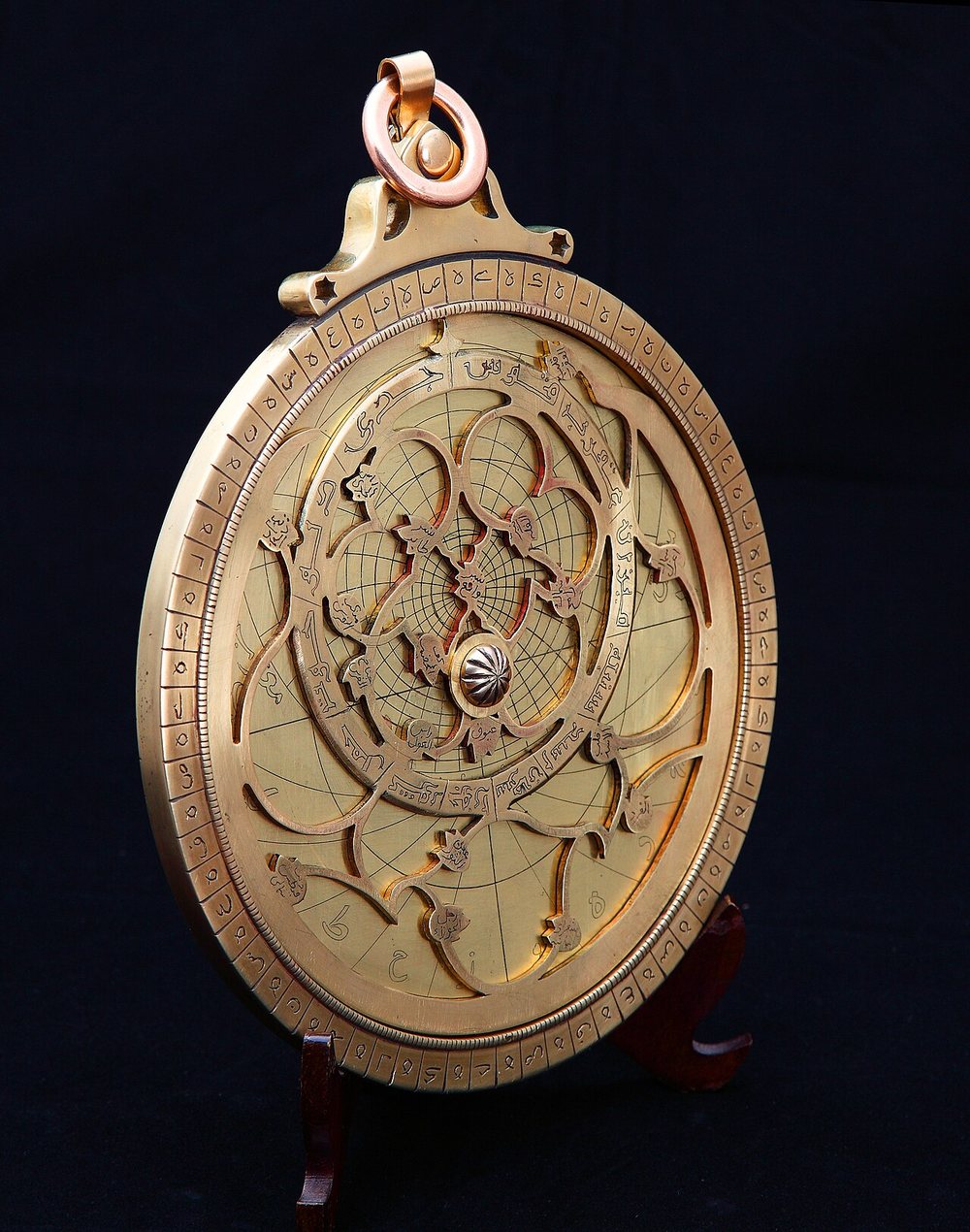
The same machine travelled the other direction, and its travel papers survive. Al-Biruni, the great Khwarizmian scholar, describes the Arabs adopting the week from their Syrian neighbours — and in Arabic the days are numbered, not named for gods or planets: the first day, the second day, and so on to Friday and the Sabbath. (Al-Biruni also records an older Arabian set of day names — 'Awwal, Ahwan, Jubār, Dubār, Mu'nis, 'Arūba, Shiyār — and there are no gods or planets in those either.) The week and the rulership travelled separately, and Arabic kept them in separate boxes. The rulership itself al-Biruni teaches in his astrology handbook of 1029, in the same form Dio Cassius had described eight centuries before: the hours cycle through the planets in their sphere order, and the days of the week are assigned to the planet of the first hour. Textbook doctrine, unchanged, at the other end of the world.
Its best-known casting is the one readers of the Book of Wonders will know. The Kitāb al-Bulhān, compiled in Baghdad and painted in the late fourteenth century, sets seven kings of the jinn over the seven days — each king tied to a day, an angel, a planet, and a metal, following the treatises of astral magic. The frame is the inherited one; the casting is Baghdad's own. The Red King holds Tuesday, and the scholarship on the manuscript says plainly that his closeness to Mars, the planet of war, explains his lion, his sword, and the severed head in his hand. Shamhurash holds Thursday, Zawba'a Friday, Maymun of the Clouds Saturday. Wednesday's king in the manuscript itself is the Black King — the name Burqan, which later grimoires attach to Wednesday and identify with him, comes from other lists and should not be fused with this book. The paintings for Sunday and Monday are missing from the Bodleian manuscript; its Gold King and White King are known from two Ottoman Turkish versions made around 1582 for daughters of Sultan Murad III. And the fit should not be oversold: only Tuesday's king is documented as a deliberate portrait of his planet. The kings occupy the day-ruler slots the way the Germanic gods occupy theirs — a local court fitted into an inherited frame, not a set of planets in costume.
VIII. The order of the sky
It is worth ending on what the people who built this actually thought they were looking at. For Plato, writing in the Timaeus, the planets were visible gods, set in the sky to define and preserve the numbers of time — and he says the gift of sight was given to us so that we could watch the revolutions of the heavens, learn number and time from them, and steady the revolutions of thought in our own heads. Philosophy itself, in that account, is a by-product of watching the sky. The Stoics made the same argument from the other side: the uniform motion and ordered beauty of the sun, moon, and stars was one of the strongest reasons to believe the world was divinely ordered at all. What later ages learned to call pagan gods were, in case after case, the moving lights of heaven, respected because they kept the order of the world visibly, night after night, and never once failed to arrive.
The week is that respect, fossilised. A Sumerian goddess stands at the head of its longest line. Babylonian patience built its astronomy. A people who named no gods in it gave it its unbroken run. Egyptian hours and Greek arithmetic built its machine. Rome named its days, the Germanic peoples renamed them, Baghdad set kings of the jinn inside it, and an emperor's law sealed it. Every culture in the chain saw the same seven lights and understood that they were looking at the order of the world. We still live in their week. We just stopped looking up.
Sources and Receipts
Venus = Inanna/Ninsi'anna: Ur III offering lists; Amar-Su'en inscription (Frayne, RIME 3/2; Richter 2004). Gudea's seven-day festival: Cylinder B and statue inscription, c. 2125 BCE (observance, not a week).
MUL.APIN (compiled by c. 1000 BCE; earliest copy 686 BCE; Hunger & Pingree 1989); Venus Tablet of Ammiṣaduqa; Astronomical Diaries (oldest surviving 652 BCE; Sachs & Hunger); Babylonian Almanac hemerologies (Labat 1965; Livingstone, CUSAS 25, 2013). No cuneiform text names a weekday.
Egyptian twelve-hour day and night: diagonal star clocks, c. 2100 BCE (Neugebauer & Parker); pharaonic week of ten days.
Planetary hours and the day sequence: Dio Cassius 37.18–19; Vettius Valens, Anthology I.9–10. The Chaldean order's late attestation and the week's contested origin: Bultrighini & Stern (2021). Earliest dated weekday: CIL IV 4182, Pompeii, 6 February 60 CE ("dies Solis"; the graffito's weekday against Julian retrocalculation: Mau on CIL IV 4182; Hannah 2013); CIL IV 5202, the seven "days of the gods." Tibullus, Elegies 1.3.17–18 (by 19 BCE, with the Sabbath caveat).
Jewish week: Genesis/Sabbath tradition; Josephus, Against Apion 2.282; Sabbath = Saturn's day in Dio 37.16–17, Frontinus, Tacitus, Histories 5.4. Constantine: Codex Justinianus 3.12.2(3), 3 March 321 CE.
Seven bodies vs seven days: Chinese qiyao (attested by the 4th–5th c. CE); Xiuyao jing on the week's import; Egyptian/Chinese ten-day cycles; Roman nundinae; Igbo four-day week; Javanese pasaran; French décade 1793–1802 (calendar abolished from 1806); Soviet weeks 1929–1940 (Zerubavel 1985).
Germanic re-skinning: Tacitus, Germania 9 and 11.2; Caesar, De Bello Gallico 1.50, 6.21; Adam of Bremen IV.26; Shaw, Early Medieval Europe 15:4 (2007); Green (1998) — dating range 4th–8th c. printed as argued. "God": Kroonen (2013), pp. 193–94 — Germanic settled, PIE derivation debated.
East: al-Biruni, Chronology (Sachau), pp. 48–49, 75–76; Tafhim §390 (Wright 1934, pp. 231–32). Bulhan kings: Carboni, La Trobe Journal 91 (2013), p. 27 — folio-by-folio; Wednesday = the Black King, fol. 30v; Sunday/Monday paintings absent from Bodl. Or. 133.
Cosmic order: Plato, Timaeus 38c–e, 47a–c; Cicero, De Natura Deorum 2.13–15 (Cleanthes via Balbus); Somnium Scipionis (De Re Publica 6.17).
More antiquities research: Antiquities Research